By Will Bower
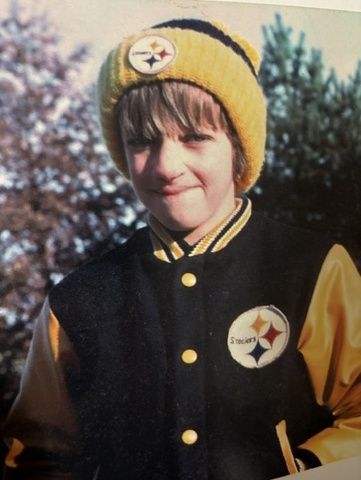
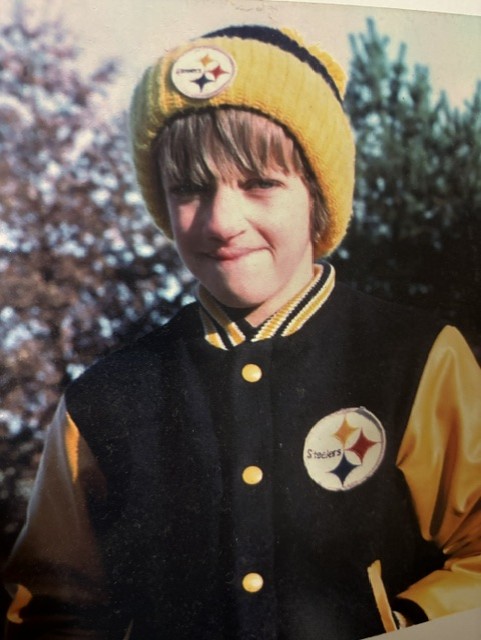
The Department of Communication Sciences and Disorders (CSD) has been a leader in the treatment of communication-related disorders for decades. Whether in a clinical setting or through group programs, children and families find more than care. For Douglas Burrows, a summer program with CSD helped create a sense of belonging and built confidence. According to his brother, Matthew Burrows, these lessons were essential to his development in life, both personally and in his career as a successful photojournalist.
Beginning from an early age, Douglas underwent numerous surgeries to treat a cleft palate. His brother recalls that because of his cleft palate, Douglas struggled physically, academically, and socially.
“His cleft palate affected his ability to speak as well as eat, causing him to be relatively thin for his age,” Matthew said. “His speech impediment meant that others, particularly elementary school classmates, were not always able to understand him. This, coupled with physical deformities to his nose and mouth, caused him to appear at times as an outcast.”
In 1973, at the age of 10, Douglas attended the Summer Residential Program at Wendell Johnson Speech and Hearing Center (now known as the University of Iowa Speech, Language, and Hearing Clinic). The program offered compassionate care in an inclusive setting, giving Douglas the chance to be around other kids with similar conditions.
“I think my parents thought that he would be lonely at speech camp, but I don't think that was the case,” Matthew said. “He loved being around other kids. I still have a postcard he sent me from speech camp in which he says, ‘I am having lots of fun here.’”
In addition to making friends, Douglas received compassionate care from clinicians.
“For my brother, I think being loved included being cared for by the doctors and other caregivers along the way,” Matthew said. “If he did not have that, then his outlook on life would have been totally different. I know that he was always very grateful throughout his life for the care he received, including at the Wendell Johnson Speech and Hearing Center.”

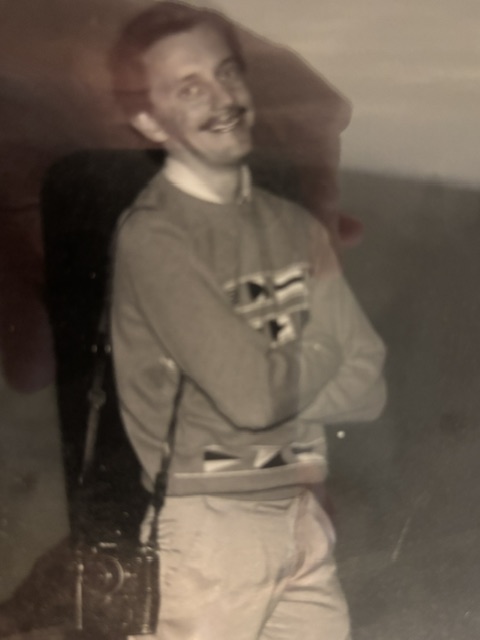
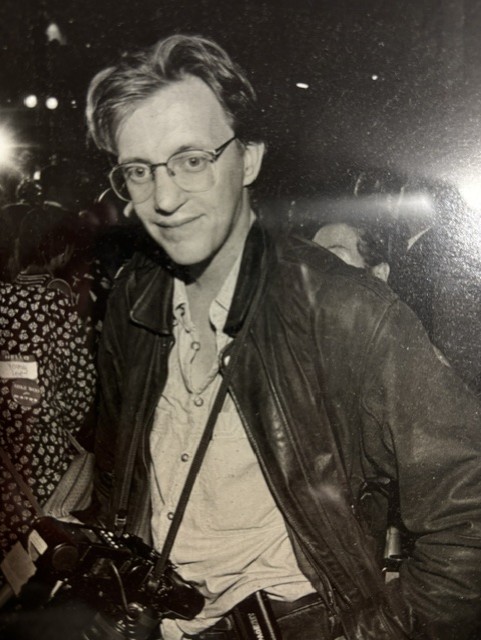
The impact of the experience extended far beyond that summer. Douglas went on to become a successful photojournalist working for numerous national publications, including the Los Angeles Times, before being killed in a tragic car accident in 1993.
“I am sure that having the speech impediment at an early age caused him to express himself later in life through visual storytelling as a photojournalist,” Matthew said. “That he had great care providers throughout his life, including those who helped him to overcome his speech impediment, showed him the value of empathy and what a difference it makes.”
Matthew said Douglas always seemed to carry a sense of self-confidence and optimism.
“After every conversation, it seemed that he would always end by saying, ‘have a great day,’” Matthew said.
Today, the University of Iowa Speech, Language, and Hearing Clinic continues their legacy of creating spaces where children feel seen, supported, and empowered. Programs and social groups, like UI SHINE (formerly known as UISPEAKS) build community while helping individuals grow in confidence and communication.
Visit Summer Programs and Social Groups webpage to learn more.